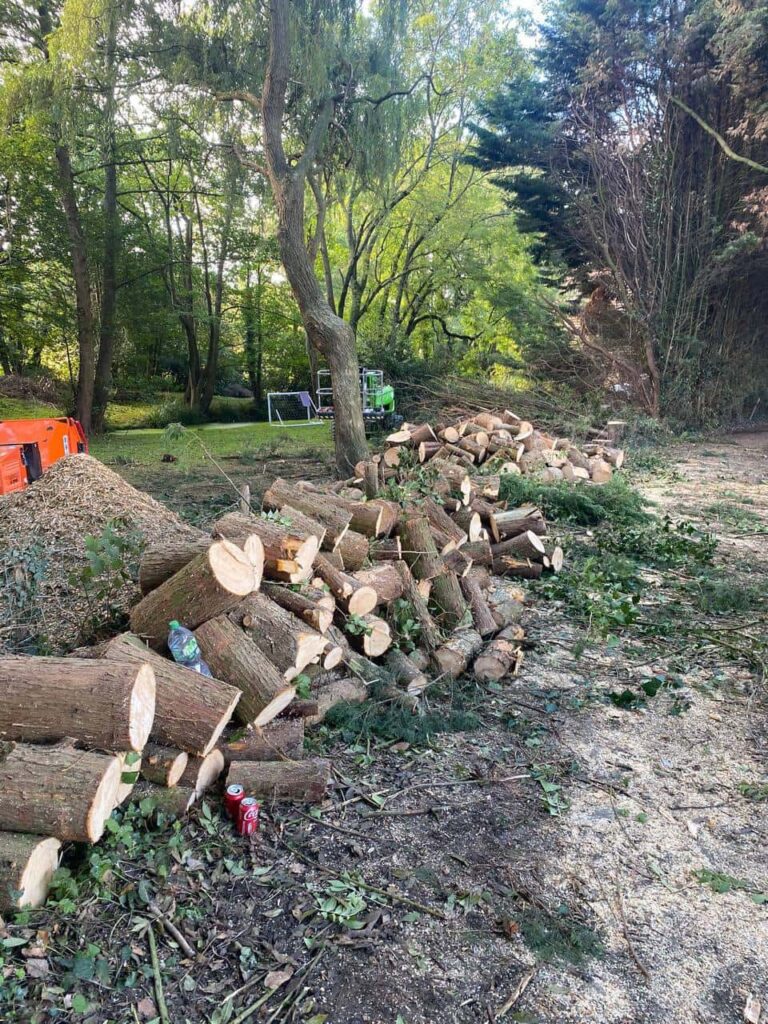
Why Stump Grinding Is Worth Considering Before Making Changes to Your Garden
Removing a tree can completely change the appearance and possibilities of a garden, but the work does not necessarily end once the trunk and branches have gone. The remaining stump can occupy valuable ground, interfere with landscaping plans and make it more difficult to create a clean, usable space.
For property owners in Great Yarmouth, Norfolk, stump grinding is worth considering before starting wider garden improvements. Dealing with an unwanted stump early can provide greater flexibility when planning lawns, planting areas, paths or other landscaping features, rather than discovering later that the remaining tree base is exactly where new work needs to take place.
Why Can a Tree Stump Become a Problem?
A stump may seem relatively harmless immediately after tree removal. However, its position can become increasingly inconvenient when you begin considering how the garden will be used afterwards.
Depending on its location, an old stump may:
- Reduce usable garden space
- Interrupt a lawn
- Obstruct landscaping work
- Make mowing more awkward
- Restrict new planting
- Interfere with proposed paths or garden features
- Create an uneven area within the garden
- Leave the space looking unfinished
If changes to the garden are already being planned, dealing with the stump at the beginning can make subsequent work much easier.
What Is Stump Grinding?
Stump grinding uses specialist machinery to mechanically reduce the remaining tree stump.
Rather than leaving the stump standing above ground level, the machine gradually grinds away the woody material. The exact approach depends on factors such as stump size, position and surrounding conditions.
The aim is to remove the obstruction created by the stump and leave the area in a condition that can be considered for its next use.
Professional assessment is important because every stump is different, particularly where access is restricted or other garden features are nearby.
Why Deal With the Stump Before Landscaping?
Garden improvements are easier to plan when existing obstacles have already been considered.
Imagine designing a new lawn, planting area or pathway around an old stump, only to decide later that the stump needs removing. Recently completed work around it may then make access more difficult or require parts of the garden to be disturbed again.
Grinding the stump beforehand allows the wider garden layout to be planned with a clearer understanding of the available space.
It is a simple example of why the order in which landscaping work is carried out can matter.
Stump Grinding Can Help Create More Usable Space
Even a relatively small stump can occupy a surprisingly inconvenient part of a garden.
A stump in the middle of a lawn can interrupt an otherwise open area. One positioned beside a path or planting bed may restrict how that section can be redesigned.
Once the obstruction has been appropriately ground down, homeowners have greater freedom to reconsider the space.
For gardens where every usable section matters, removing unnecessary obstacles can make future planning considerably easier.
Planning a New Lawn? Consider the Stump First
Tree stumps can be particularly noticeable within lawned areas.
Mowing around them can be inconvenient, and the remaining stump can interrupt the clean appearance of the grass.
If a lawn is being renovated or redesigned, it makes sense to assess unwanted stumps before completing the new surface.
This allows the area around the former tree position to be incorporated into the wider garden plan rather than permanently working around the obstruction.
Stumps Can Restrict New Planting Plans
Removing a mature tree often creates opportunities to reconsider nearby planting.
However, the remaining stump and root system may influence what can practically be done within the immediate area.
Grinding the stump can remove the large central obstruction and provide greater flexibility when redesigning beds and borders.
It is important to remember that stump grinding does not necessarily remove every root extending through the surrounding ground. The future use of the area should therefore still be considered carefully when planning new planting.
Paths and Garden Features Need Clear Ground
A stump positioned where a new garden feature is planned can create an obvious complication.
Whether the aim is to reorganise access through the garden or simply create a more practical layout, existing tree remains should be identified before work begins.
Trying to design permanently around an unwanted stump can unnecessarily restrict the layout.
Addressing it first allows subsequent work to be planned around the garden you want rather than around an obstacle you no longer need.
Stump Grinding Can Improve the Appearance of a Garden
After a tree has been removed, the remaining stump can make the area feel incomplete.
This is especially noticeable when the tree previously occupied a prominent position.
Grinding can help create a cleaner visual transition between the former tree location and the rest of the garden. This can be useful even where no major landscaping work is planned.
For homeowners simply wanting a tidier outdoor space, removing an old stump can make a surprisingly noticeable difference.
Old Stumps Can Become Increasingly Awkward to Work Around
It is easy to postpone stump removal when there are no immediate plans for the area.
The difficulty often arises later when the garden begins to change.
A stump that caused little inconvenience for several years may suddenly be positioned exactly where a new feature, planting scheme or improved lawn is intended.
Considering stump grinding before wider changes begin can avoid allowing an old tree stump to dictate future garden decisions.
What About Stump Regrowth?
Some tree species can produce new shoots from remaining stump or root material after the main tree has been removed.
Where regrowth occurs, simply cutting the new shoots back repeatedly does not remove the original stump.
Professional assessment can determine an appropriate approach to the remaining tree base and help homeowners understand what can realistically be achieved through grinding.
The response can vary depending on the species and condition of the original tree.
Stump Grinding Is Different From Complete Root Removal
One important point for homeowners to understand is that stump grinding and complete root removal are not the same thing.
Grinding primarily deals with the stump and accessible woody material in the immediate area. Large roots may still extend away through the surrounding ground.
For many garden situations, removing the prominent stump is the main objective. However, if major changes are planned directly within the former tree area, the intended use should be discussed beforehand.
This allows the work to be approached with realistic expectations.
Why Stump Location Matters
Not every stump presents the same challenge.
A stump in an open lawn may be relatively accessible, while one positioned close to fencing, walls, planting or other garden features can require greater consideration.
Factors that can influence the work include:
- Stump diameter
- Height above ground
- Surrounding space
- Access to the garden
- Nearby structures and features
- The intended future use of the area
Assessing these factors before work begins helps determine the appropriate approach.
Can You Simply Leave a Stump to Decay Naturally?
A stump will eventually deteriorate naturally, but this process can take a considerable amount of time.
If the stump is located in an unused part of the garden and causes no inconvenience, leaving it may not immediately create a practical problem.
However, natural deterioration is unlikely to suit homeowners who want to make active changes to the space.
Where the stump is restricting a garden improvement, grinding provides a controlled way of addressing the obstruction rather than waiting for gradual decay.
Think About Future Garden Use, Not Just Today’s Layout
One of the best reasons to consider stump grinding is that gardens rarely remain completely unchanged.
A lawn may later become a seating area. A border may be expanded. Access routes may change. Homeowners may simply decide they want more open space.
An old stump reduces flexibility.
Removing an unwanted stump before redesigning the garden means future decisions can be based more closely on how the outdoor space should function rather than where the former tree happened to stand.
Why Professional Stump Grinding Is Valuable
Tree stumps can be dense, substantial and firmly connected to the remaining root system. Their size above ground does not necessarily reflect the amount of woody material immediately below the surface.
Specialist stump grinding equipment allows the material to be reduced in a controlled way.
At Great Yarmouth Tree Surgeons, we provide professional tree surgery and stump grinding throughout Great Yarmouth, Norfolk. Each stump can be considered individually according to its size, position, accessibility and the plans for the surrounding garden.
The objective is not simply to remove visible timber, but to carry out the work with an understanding of how the space is intended to be used afterwards.
When Should You Arrange Stump Grinding?
Stump grinding is particularly worth considering when:
- A tree has recently been removed
- An old stump is restricting garden use
- A lawn is being redesigned
- Landscaping changes are planned
- The stump interferes with access
- You want to reorganise planting areas
- The remaining stump affects the appearance of the garden
- You want greater flexibility for future improvements
Ideally, the stump should be considered during the planning stage rather than after other work has already been completed around it.
Making Garden Improvements Easier to Plan
Good garden planning involves understanding what needs to happen before the visible improvements begin.
Tree and stump work can form an important part of that preparation.
Removing an unwanted stump early can simplify decisions about levels, access, planting and the overall use of the space. It can also reduce the need to design permanent features around something that was always intended to be removed eventually.
For this reason, stump grinding can be a relatively small part of a much larger garden improvement project while still making a meaningful difference to the final layout.
Conclusion
Stump grinding is worth considering before making changes to your garden because an old tree stump can restrict how effectively the surrounding space can be redesigned. It may interfere with lawns, planting, paths and general garden use while leaving the former tree location looking unfinished.
By addressing the stump before wider improvements begin, homeowners have greater flexibility to plan the garden around their current needs rather than around the remains of a previously removed tree.
For property owners in Great Yarmouth, Norfolk, Great Yarmouth Tree Surgeons provides professional stump grinding alongside wider tree surgery services. If an old stump is standing in the way of your garden plans, arranging a professional assessment before beginning other improvements can help establish the most suitable way to prepare the area for its next use.
Call us on: 01493 807 192
Click here to find out more about Great Yarmouth Tree Surgeons
Click here to complete our contact form and see how we can help with your tree needs.